Modernizing a live subscription app without losing its rhythm
Optimism is built around a simple daily behavior: open the app, read a positive quote, save or share what resonates, and let reminders or widgets bring useful words back later. The experience feels light, but the product behind it includes subscriptions, personalization, analytics, attribution, notifications, localization, and the App Store release process.
Priority Soft joined while the application was moving through a major technical and ownership transition. The React Native codebase needed a newer foundation, several third-party integrations required repair, and product delivery could not stop while the team learned the system.
We took over the mobile and backend environments, modernized the app, restored the services around the quote experience, and established a repeatable release cycle. Optimism continued shipping while the engineering underneath it became easier to maintain.
Protecting the core daily experience
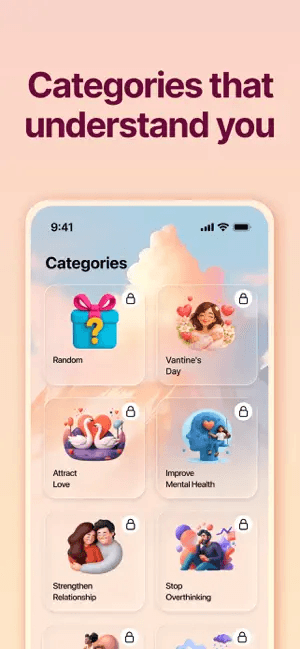
The quote feed is the part users see most, so it had to remain stable throughout the transition. Onboarding asks what kinds of motivation or themes a person prefers. The main experience can then present relevant categories while favorites provide a place to keep quotes worth returning to.
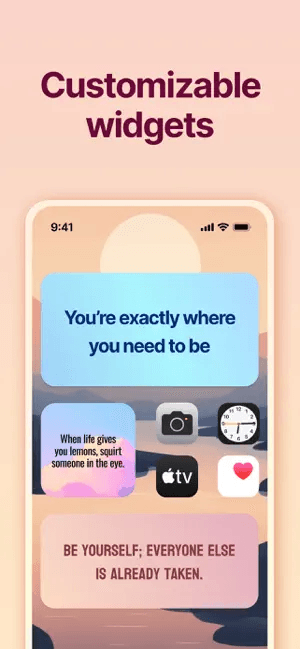
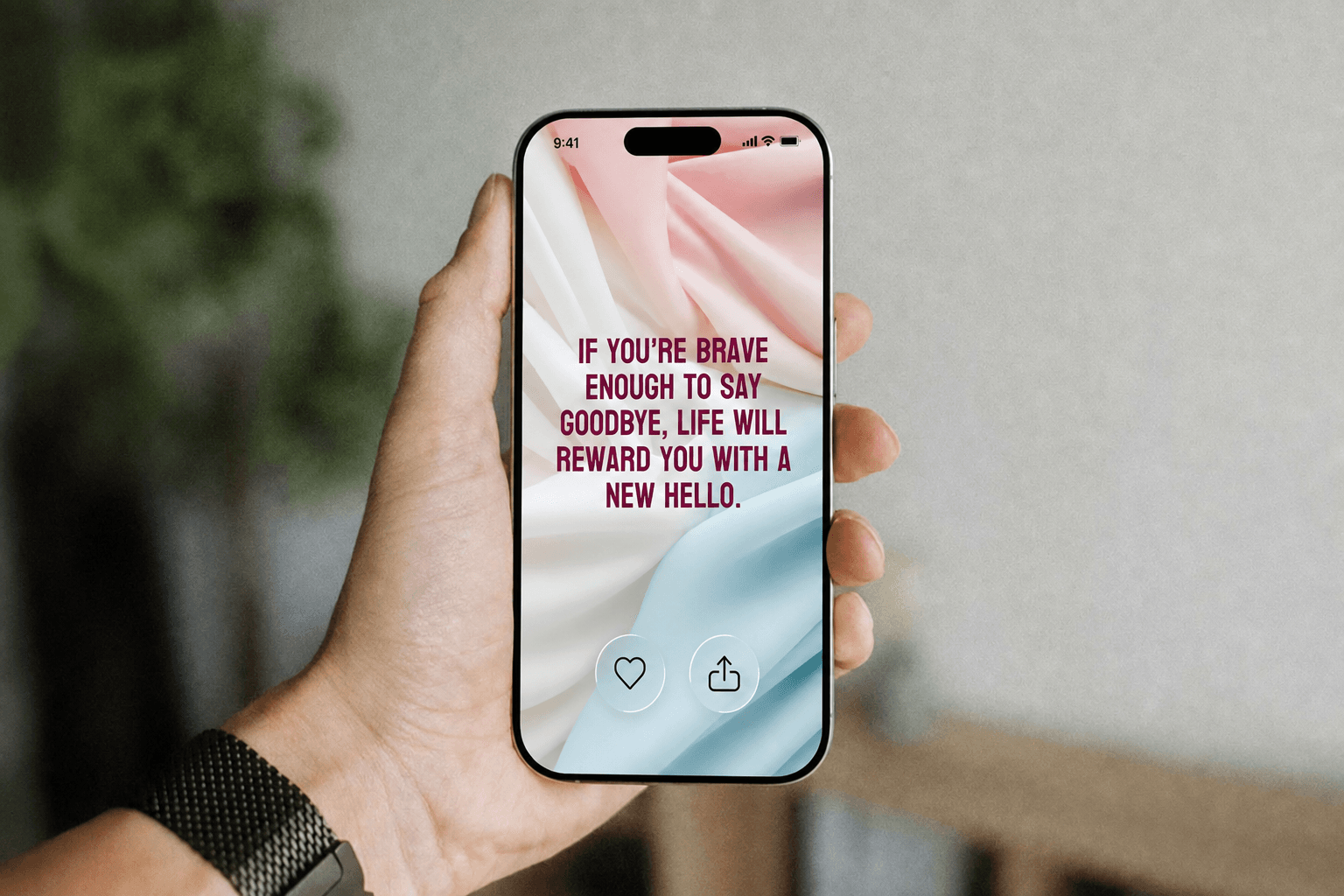
Users can share a quote, choose visual themes, set reminders, and place content on the iPhone home screen through widgets. Those features extend the product beyond the moment the app is open.
The core loop set the standard for every technical change. The feed had to scroll correctly, favorites had to persist, reminders had to arrive, and widgets had to stay in step with the app.
This product-level definition of "working" prevented invisible regressions from hiding behind a modernized codebase.
Taking ownership of an unfamiliar system
Application handovers are risky because important knowledge often lives outside the source code. Build accounts, signing, backend deployment, analytics, store configuration, and release conventions may be understood by one person but documented nowhere useful.
We mapped the codebase and every environment required to ship it. The incoming engineer completed a full deployment cycle early, proving access to the backend, TestFlight, and App Store process before larger changes depended on them.
We also traced the services around the application: identity, protected APIs, notifications, analytics, attribution, subscriptions, paywalls, widgets, and deep links. That inventory exposed the areas most likely to fail when the React Native architecture changed.
The transition became an engineering project in its own right. Once the team could build, deploy, observe, and release the system independently, product work no longer depended on undocumented knowledge from the previous setup.
Modernizing React Native around native dependencies
A React Native upgrade also affects native SDKs. Optimism relies on them for subscriptions, analytics, attribution, notifications, widgets, and other device behavior. Each integration has its own compatibility and configuration requirements.
The application moved to the newer architecture while each native boundary was tested on its own. Startup behavior, deep links, widget communication, and background services received the same attention as visible screens.
We avoided treating integration errors as unrelated bugs. Many came from the same transition in how native modules were loaded and configured. Fixing the foundation reduced repeated work across several services.
The resulting architecture gives Optimism a current React Native base without sacrificing the native features that make the product useful outside the main feed.
Repairing the subscription experience
Premium access unlocks additional content and customization. The paywall, trial, purchase, restore, renewal, and entitlement states therefore sit inside the central product flow.
The paywall review covered purchase, restore, and the subscription state returned to the application. We fixed disagreements between the interface and store entitlement so premium access updates after a completed or restored purchase.
The team also checked startup behavior for existing subscribers. A returning user should not see locked content while the app slowly rediscovers an entitlement they already own.
Commercial analysis remains in the client's own tools. The user experience reflects the account's store state and provides a stable path to manage access.
Analytics that can survive a release
Consumer product teams make decisions from funnel events. If a framework transition changes event names, drops properties, or sends the same action twice, dashboards may continue displaying numbers that no longer mean what the team thinks they mean.
Optimism uses Amplitude for product analytics and AppsFlyer for attribution. Priority Soft audited the important events from first open through onboarding, quote interaction, paywall exposure, and subscription. We repaired integration behavior and validated that the released application sent the expected signals.
Analytics testing became part of release verification. The team could compare event flow with the product funnel before using it to judge a change.
The client's analysis remains private. Priority Soft focused on restoring the engineering behind those tools.
Widgets, reminders, and deep links
Optimism also reaches users through home-screen widgets, scheduled reminders, deep links, and campaign routes. Each route opens the appropriate content instead of dropping the user at a generic start screen.
Deep links were tested when Optimism was open, in the background, and fully closed. The application initializes account state while preserving the intended destination.
Widgets require coordination between React Native and the native iOS extension. We repaired the shared behavior so content and settings remain consistent. Reminder scheduling received similar treatment, including permissions and changes to user preferences.
These features are easy to overlook because they live outside the main navigation. For a daily quote product, they are some of the strongest reasons to return.
A release process shared by product and growth
Optimism's product work involves engineering, design, testing, analytics, and App Store optimization. A release may include code, localized metadata, screenshots, paywall changes, and acquisition measurement at the same time.
TestFlight builds gave the team a place to verify product behavior before submission. Versioning and release notes followed a regular rhythm, and store work became part of the release process.
Daily communication kept integration questions close to the people who owned the surrounding product. The team then established a manageable weekly release rhythm.
The current App Store listing confirms that Optimism remains publicly available. The product continues to offer quote categories, favorites, sharing, reminders, themes, widgets, and optional premium access.
Backend and service reliability
The mobile app connects to protected backend services deployed in a containerized AWS environment. Firebase supports identity and API protection, while notification and content services provide the information required by the mobile experience.
Deployment was part of the application transition. We made the environment reproducible, checked configuration across release stages, and tested mobile changes against the right service version.
The mobile and backend work remained coordinated. Startup problems could be investigated across both sides, and API protection could be updated without leaving the released app unable to retrieve content.
Infrastructure addresses, access secrets, and private operational details remain outside this public case study. The team can deploy and support the complete service, including the systems around the app binary.
What Priority Soft brought to Optimism
Priority Soft handled the full transition, including the backend, release accounts, native SDKs, analytics, subscriptions, widgets, and store process around the React Native project.
We then modernized the architecture while continuing to ship. The quote experience stayed central, and every surrounding integration was judged by how it affected onboarding, return use, premium access, or the team's ability to learn from releases.
That combination of transition discipline and product delivery allowed Optimism to move forward without an extended freeze or a rewrite that discarded the existing application.
The outcome
Optimism completed its major modernization and returned to a regular release rhythm. Its iPhone app retains the quote feed, categories, reminders, favorites, themes, sharing, widgets, and premium experience.
Priority Soft restored confidence in the systems around the visible product. Subscriptions reflect store state, analytics provide usable signals, native features survive releases, and the team can ship from an application foundation it now understands and controls. Optimism is a motivational-content product, not therapy, and the case study makes no claim about mental-health outcomes.