Skip to content

Web application development

Web applications for complex, important work

We turn complex operations into dependable web products. A focused interface connects to the data, integrations, and background services that support the work.

40+

products documented in our case-study library

Full stack

product, interface, APIs, data, and infrastructure

You own it

code, accounts, documentation, and technical decisions

A serious web application may need to reconcile documents, coordinate long-running jobs, apply business rules, manage several user roles, or replace an old manual process.

We start by learning what people need to accomplish, where the source data lives, what can fail, and which decisions users need to see. We design the interface and architecture around those facts, so the product stays clear without hiding important constraints.

01

We begin with the job

During discovery, we map the main journey from entry to outcome, identify each role, and write down the states between "started" and "done." We include incomplete records, duplicate submissions, delayed providers, permissions, rejected payments, and unexpected data formats.

The client and our team agree on the product model before engineers commit it to a database or component library. We leave discovery with a prioritized scope, a working prototype, an architecture direction, an integration plan, and a build sequence.

02

We prove one complete path first

Early in the build, we connect one useful task through the real interface, service layer, and data model. This exposes integration problems and misunderstood rules before the team has built every screen.

We then expand the application in working parts. Clients review real software and can change priorities while the cost is still low. Designers, frontend and backend engineers, and testers work on the same release.

03

The architecture follows the product

We separate services when the product benefits from it. Interactive requests stay fast, while imports, file processing, notifications, and provider work run as background jobs. We enforce authorization at the service boundary and keep the history needed for support, reporting, and audit.

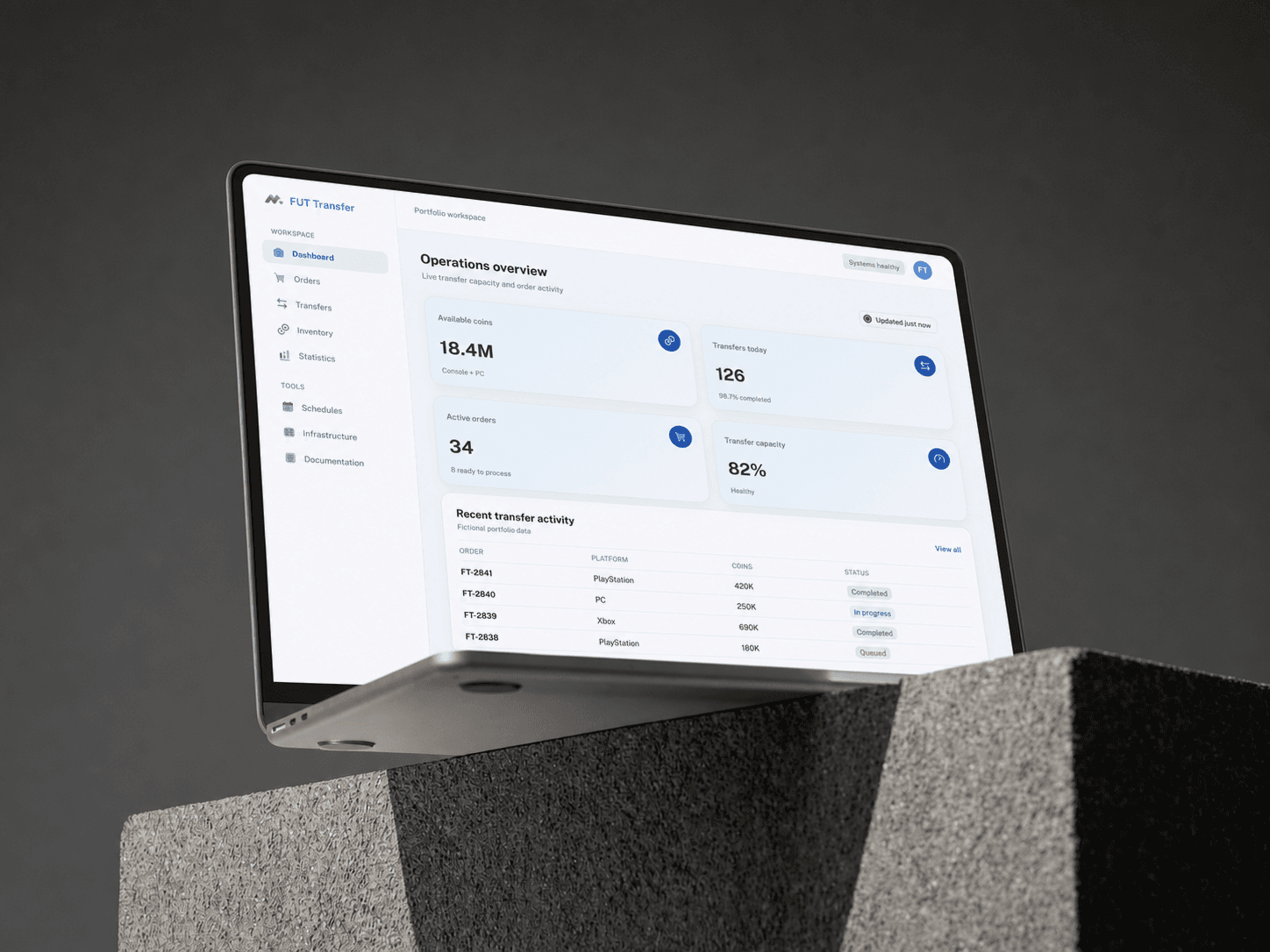
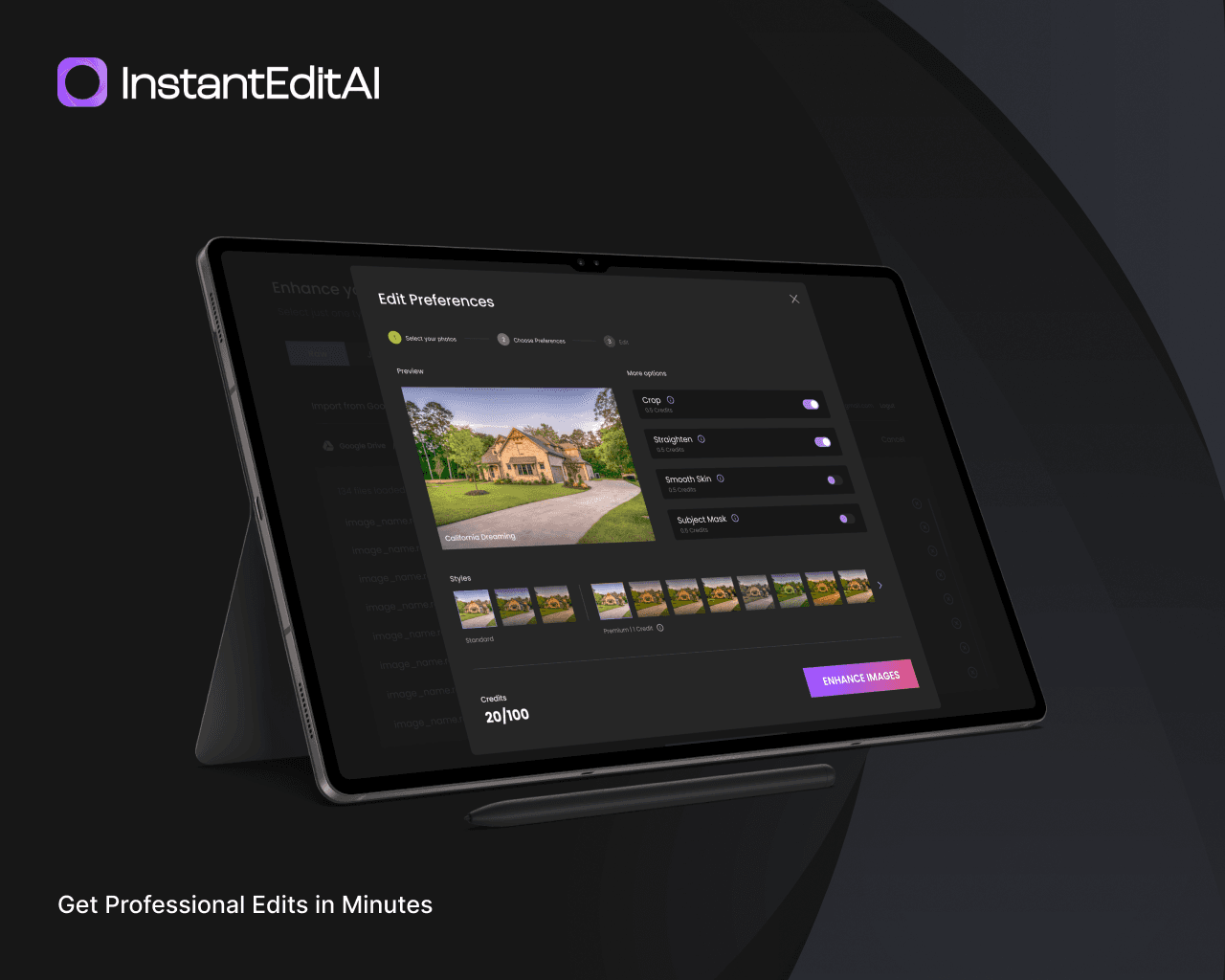
For products such as InstantEdit and Thousand Squared, this means the browser can remain clear and responsive while processing continues elsewhere. For operational platforms such as SmartrBID or 4SightRX, it means records, roles, evidence, and workflow state remain understandable even when several people contribute to one outcome.

04

We prepare for life after launch

Production readiness includes deployment, monitoring, analytics, backups, error reporting, security review, and a clear response path when something behaves differently with real users. We test the paths that matter to the business and make limitations explicit when an external provider or legacy system controls part of the outcome.

After launch, we use product usage and support requests to decide what to improve next. The same team can improve conversion, add integrations, reduce manual work, or prepare for more traffic. The client owns the code and service accounts throughout the engagement.

How delivery moves

Review progress as we build

We adjust the activities to the product while keeping the same working rules. We address risk early, deliver working software in parts, and record important decisions.

01

Map the workflow

Define users, outcomes, business rules, risks, integrations, and the smallest valuable release.

02

Prototype the experience

Make the core journey concrete and resolve interaction questions before they become expensive code changes.

03

Build the vertical slice

Connect interface, services, data, and one production-shaped workflow as early as possible.

04

Expand and harden

Add capability in tested increments, then prepare monitoring, security, performance, and handoff.

What the engagement can include

  • Product discovery and scope
  • UX and interface design
  • Frontend and backend engineering
  • Database and API design
  • Third-party integrations
  • Cloud deployment and observability
  • Quality assurance and release support
  • Technical documentation and ownership handoff

A strong fit when you have

  • 01A complex workflow that spreadsheets or disconnected tools can no longer support
  • 02A new digital product that needs product thinking as well as engineering
  • 03A legacy web system that needs a safer, staged modernization
  • 04A platform with multiple roles, integrations, or long-running processes
Questions, answered

What clients ask before we start

Can you work with an existing web application?

Yes. We begin with a code, product, and infrastructure review, then recommend whether to extend, stabilize, modernize in stages, or replace only the parts that are holding the product back.

Which stack do you use?

We commonly use React, Next.js, TypeScript, Node.js or NestJS, Python or Django/FastAPI, and PostgreSQL. The choice follows the product, team, integration, and operational requirements rather than a fixed agency template.

Will we own the code and infrastructure?

Yes. Repositories and production service accounts are set up for client ownership, with our team added as collaborators. We document the system so another capable team can operate it if needed.

Start with the real constraint

Tell us what needs to move.

We'll help you choose a practical first step: a blueprint, a complete build, or the right person for your team.