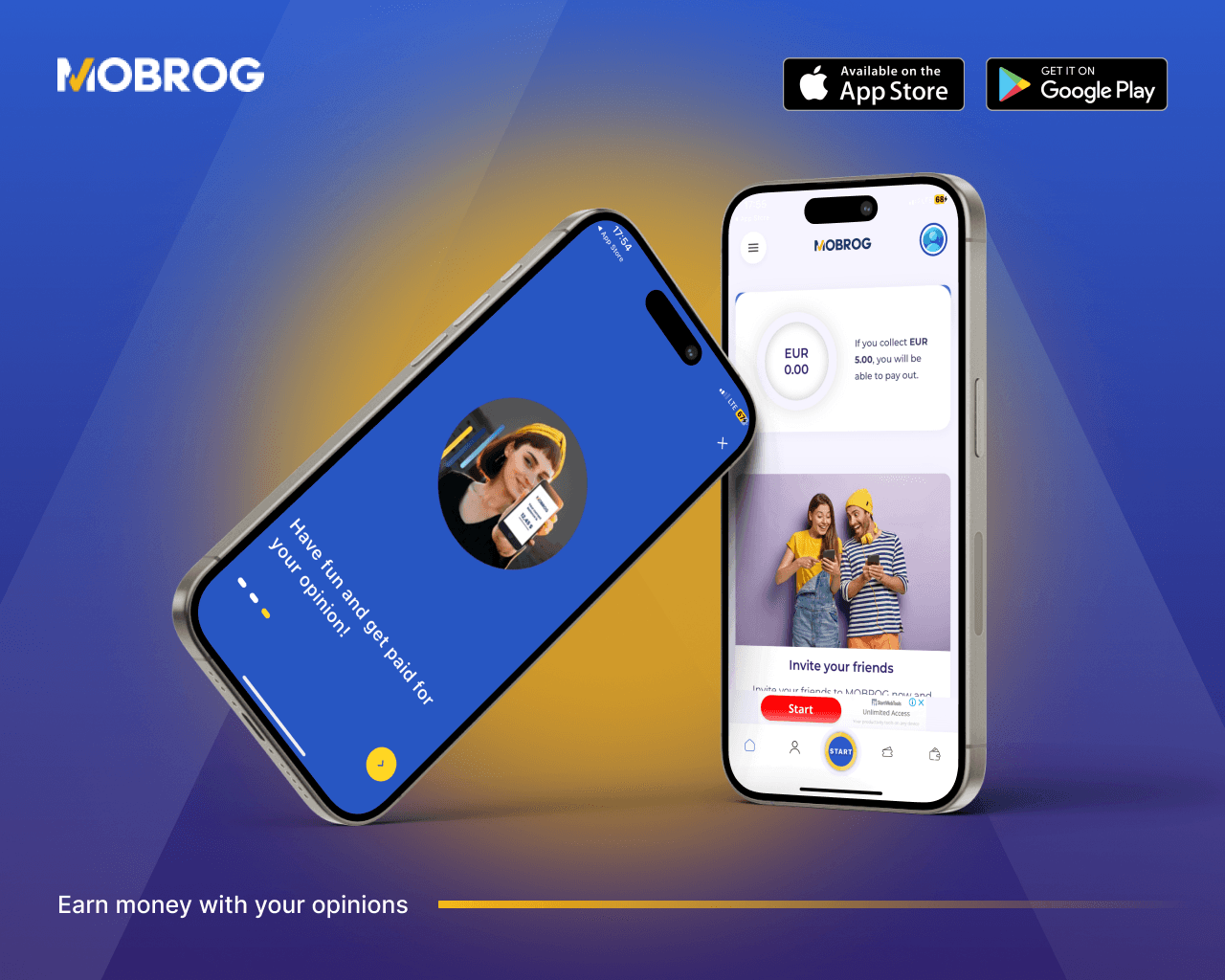
Consistent interface
A shared rendering model makes detailed visual systems and interaction patterns more predictable across iOS and Android.
Mobile
We build Flutter products with a consistent visual system, shared business logic, and the native release discipline required to perform on both platforms.
Why Flutter
A shared rendering model makes detailed visual systems and interaction patterns more predictable across iOS and Android.
Features, domain logic, services, and state are separated so the application can grow without one global tangle.
Our Flutter work spans finance, service operations, Bluetooth hardware, offline media capture, subscriptions, and consumer products.
Flutter can produce screens fast, but authentication, remote data, offline state, permissions, and background events still need a sound state model. We define those states and give each feature clear ownership.
Reusable components follow the product’s design language. Responsive rules account for real phone sizes, keyboard behavior, text scaling, and the small platform differences users expect.
Camera workflows, large file uploads, Bluetooth devices, notifications, purchases, and embedded web content behave differently on simulators and physical devices. We distribute early builds, test interruption and recovery, and keep native configuration under version control wherever possible.
For offline products, local persistence and synchronization are designed as product behavior. Users see what is saved, what is pending, and how a failure can be retried instead of receiving false confidence from a spinning indicator.
We create signing identities, Firebase projects, RevenueCat or store subscription setup, distribution tracks, and production accounts under client ownership. Automated builds reduce dependence on one developer’s machine and make releases repeatable.
We support review, rollout, monitoring, and post-launch improvements. The shared codebase saves time, while careful environment and store management keep releases dependable.
A strong fit for
Commonly paired with
We choose the rest of the system around the data, workflow, team, integrations, and deployment needs. Each layer has to solve a specific product problem.
Built with Flutter
Yes. We have used it for offline field work, finance, scheduling, Bluetooth hardware, subscriptions, and high-volume survey products. Suitability still depends on the specific device and team requirements.
Yes. We review architecture, packages, native projects, build tooling, state management, and the current release path before proposing a staged plan.
Bring us the constraints. We'll explain whether Flutter fits and where another option would work better.