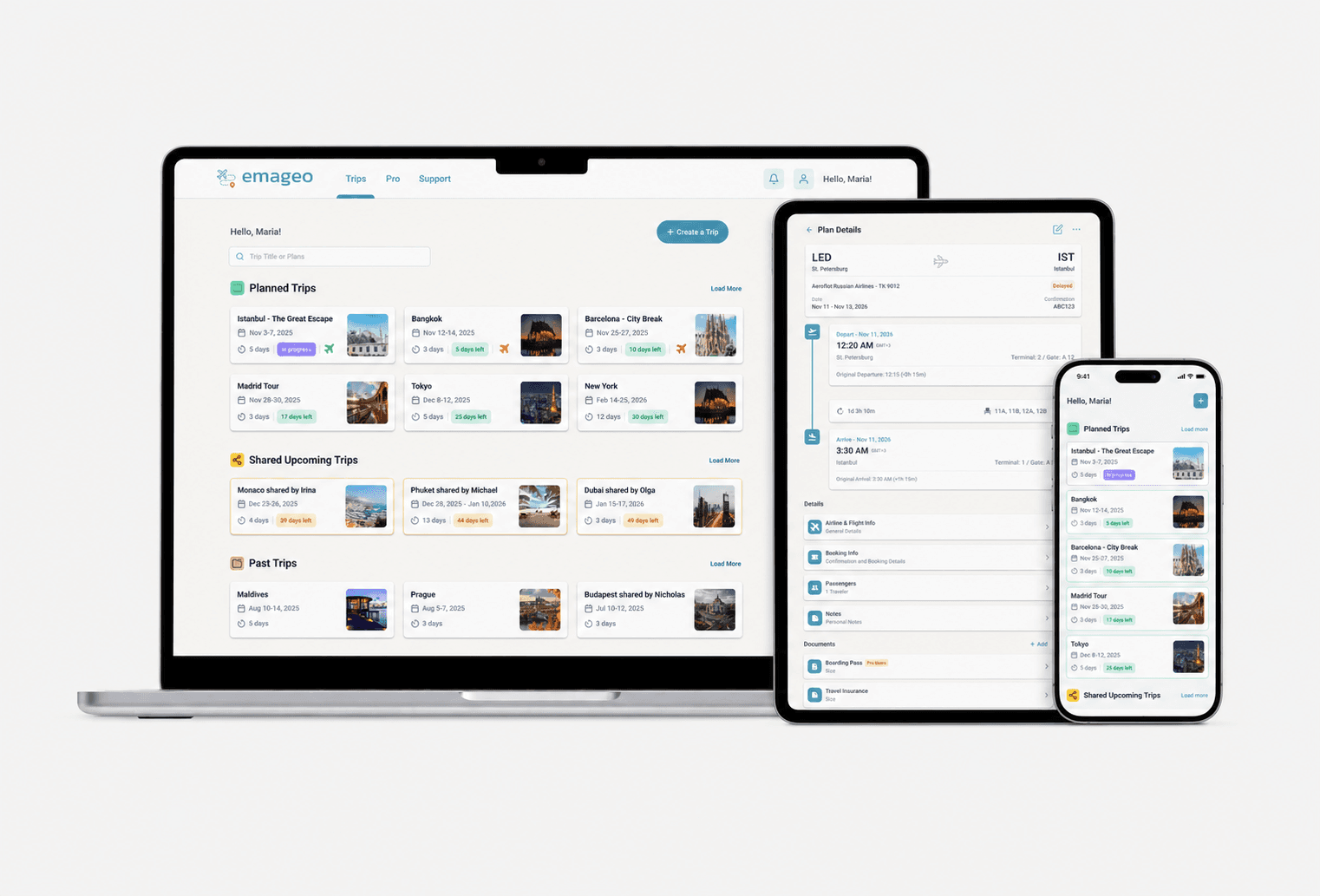
One coherent web platform
Public marketing, authenticated product, server-rendered data, and APIs can share conventions without becoming one tangled layer.
Web experience
We use Next.js when a product needs a strong React experience, deliberate server boundaries, and a practical route from discoverable public pages to secure application workflows.
Why Next.js
Public marketing, authenticated product, server-rendered data, and APIs can share conventions without becoming one tangled layer.
We apply caching, streaming, image optimization, and client code according to how often information changes and how users reach it.
TypeScript, component boundaries, testing, and observability keep a fast first release from becoming a brittle second year.
A useful Next.js architecture begins with data ownership and interaction needs. Public product pages, customer dashboards, forms, and long-running jobs each need a different rendering strategy. We choose server and client boundaries for each workflow. Sensitive work and data access stay on the server, while the browser receives the code needed for interaction.
We apply the same discipline to caching. Stable public information can be generated and reused, while account state stays current and isolated. We document invalidation and loading behavior so performance does not depend on framework defaults.
We connect the Next.js interface to services, database access, authentication, file storage, payments, and background processing. Small products may keep some server behavior in the application. Heavier domains benefit from separate services with clear contracts. Operational needs determine the split.
The build also covers error handling, analytics, accessibility, metadata, and deployment. Teams receive a product they can operate and extend as well as the interface itself.
Next.js changes often. We avoid framework tricks, choose dependencies with care, and use supported platform patterns so another engineer can understand an upgrade. Clients own the repositories, hosting projects, environment configuration, and documentation.
Another experienced React team can take over the application as it grows to support new roles, integrations, public content, and product areas.
A strong fit for
Commonly paired with
We choose the rest of the system around the data, workflow, team, integrations, and deployment needs. Each layer has to solve a specific product problem.
Built with Next.js
Yes. We review routing, rendering boundaries, data access, caching, dependencies, deployment, and the highest-risk user journeys before planning improvements.
For new work, usually yes. We also maintain Pages Router products and plan staged migrations when an upgrade creates real product or maintenance value.
Bring us the constraints. We'll explain whether Next.js fits and where another option would work better.