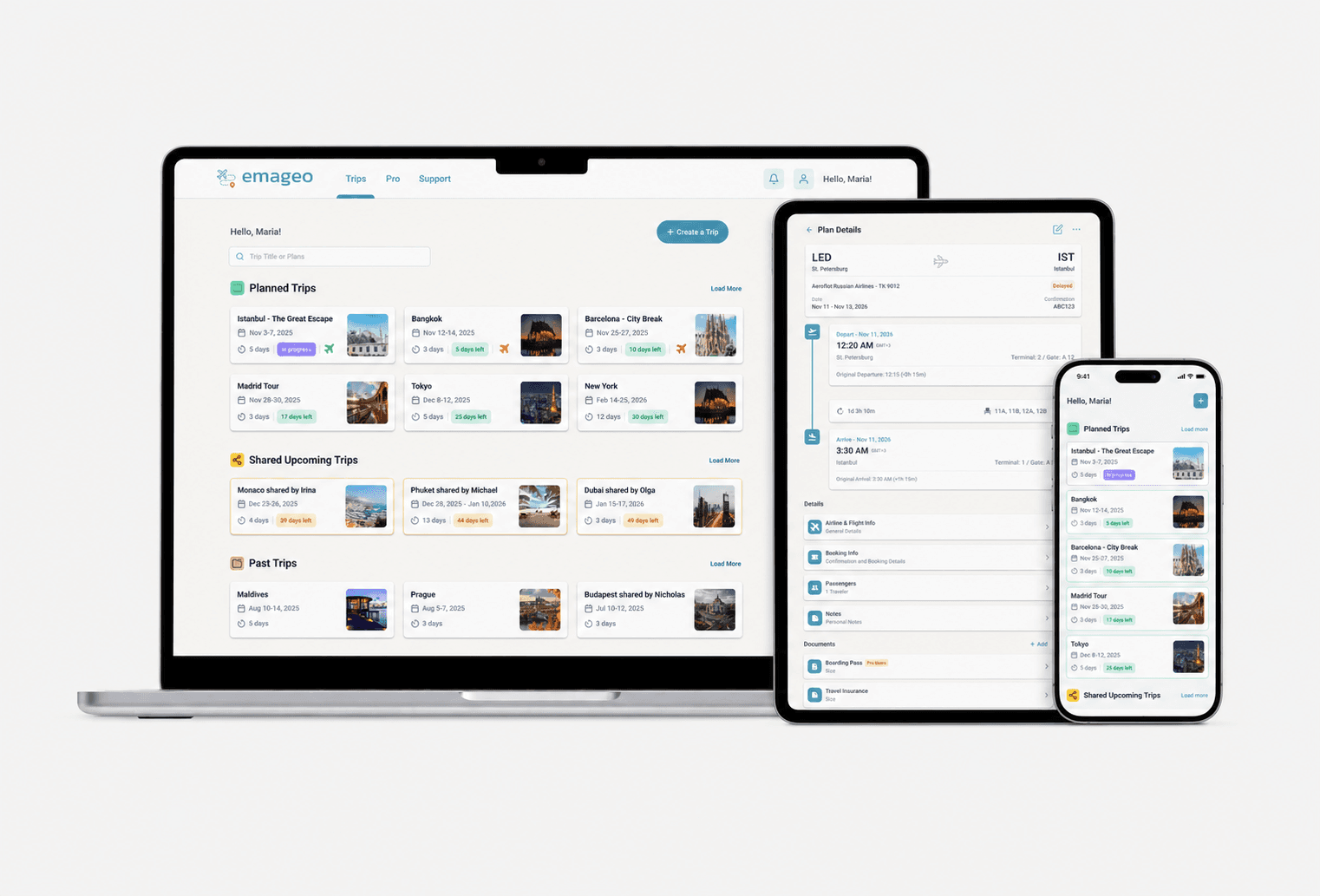
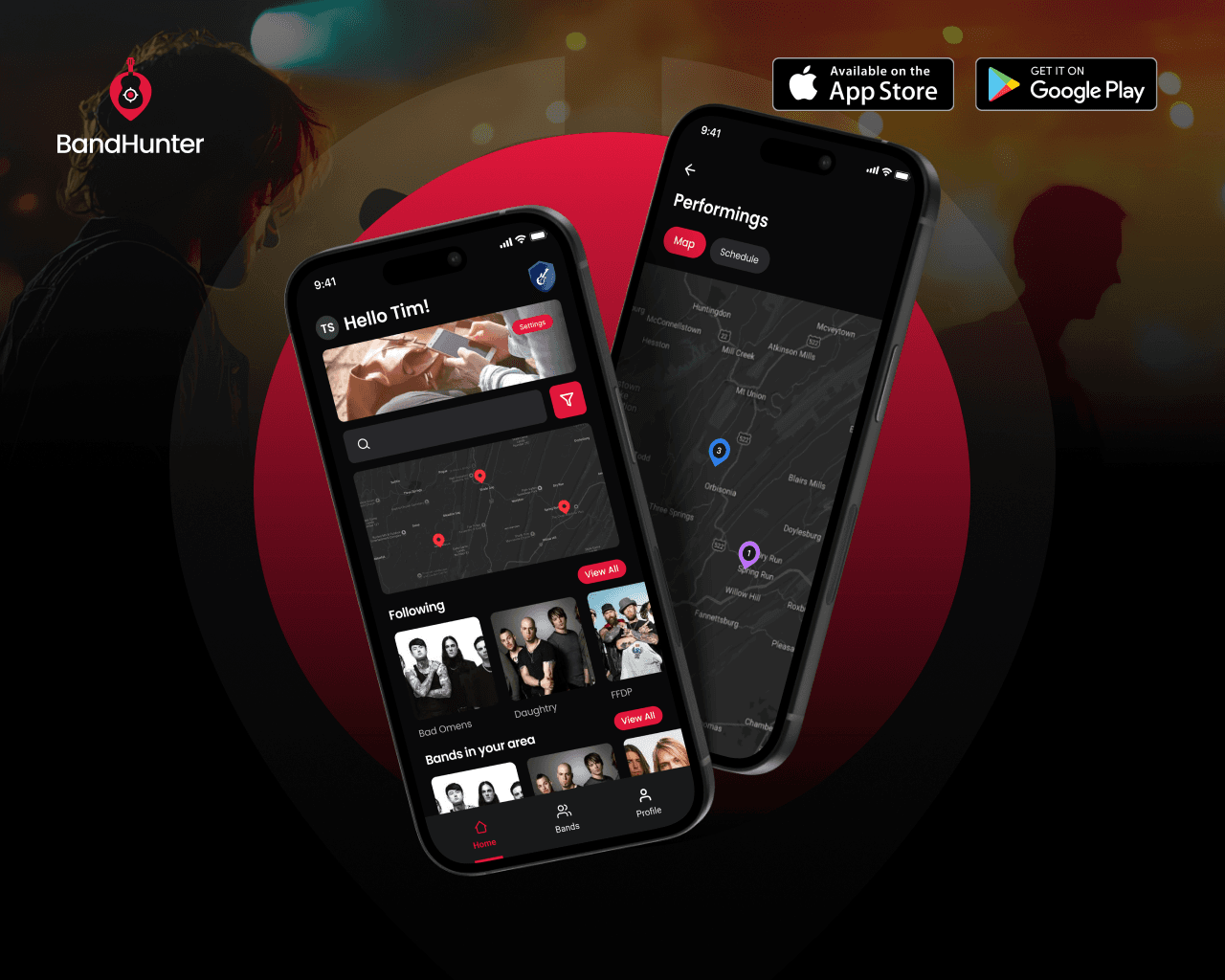
Shared product code
One TypeScript product layer lets features and fixes reach both platforms together while preserving their differences.
Mobile
We use React Native to move iOS and Android together while preserving the platform-specific work needed for a dependable mobile product.
Why React Native
One TypeScript product layer lets features and fixes reach both platforms together while preserving their differences.
Device APIs, SDKs, permissions, purchases, and background behavior can use platform code where the product needs it.
React and TypeScript familiarity makes the codebase accessible to web and mobile specialists over the product’s lifetime.
React Native is a strong fit when the product needs both major mobile platforms, shares most workflows, and benefits from TypeScript across the wider system. We review required SDKs, offline behavior, performance, release cadence, and the client team before recommending it.
If a core experience depends heavily on platform-only UI or low-level device behavior, we identify that early. Cross-platform should reduce maintenance without hiding a permanent native burden.
We plan navigation, deep links, permissions, notifications, files, secure storage, background transitions, and network recovery around real device states. Native modules are isolated behind clear interfaces so the product layer remains testable and provider changes remain manageable.
Test builds reach real devices early. Crash reporting and analytics are configured before launch, while iOS and Android pipelines remain synchronized enough that one platform does not become a recurring afterthought.
Our work covers signing, environments, TestFlight, Play testing tracks, store configuration, subscription products, privacy declarations, and review feedback. For an existing app, we first make the release process repeatable before adding more risk.
After launch, we watch crashes, performance, and behavior across platform versions. Updates are planned as controlled product releases rather than emergency rebuilds whenever Apple or Google changes a requirement.
A strong fit for
Commonly paired with
We choose the rest of the system around the data, workflow, team, integrations, and deployment needs. Each layer has to solve a specific product problem.
Built with React Native
Yes. We use maintained libraries where appropriate and write or adapt native modules when a product requires a capability that is not safely covered by the shared layer.
Yes. We establish a working build, review dependencies and native projects, fix release blockers, add observability, then upgrade in controlled stages.
Bring us the constraints. We'll explain whether React Native fits and where another option would work better.